
The One You'd Call in a Crisis
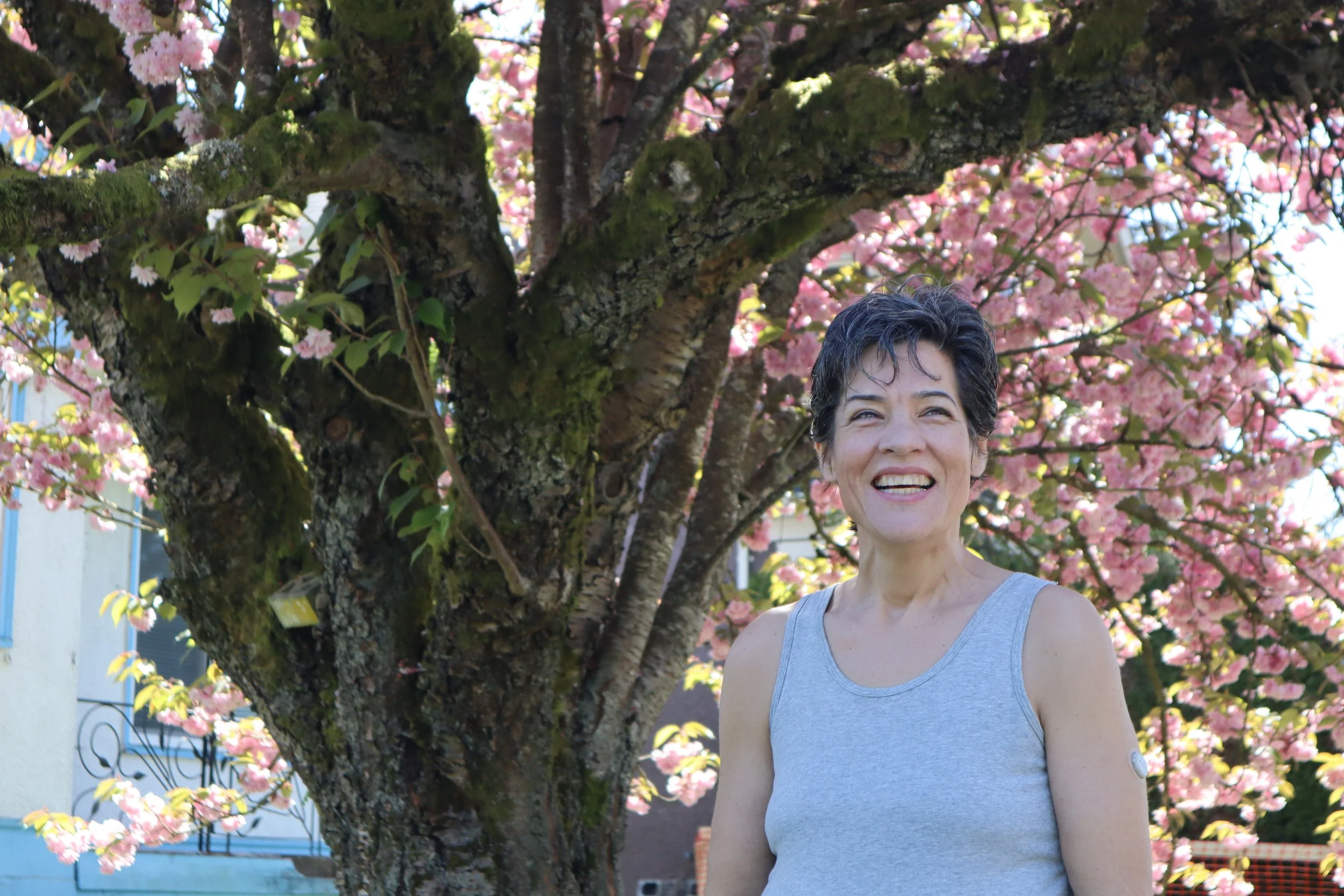
Rebecca was the one you’d call in a crisis. The person who showed up when strangers called 911, who knelt on the kitchen floor checking vitals and saving lives.
She was a paramedic for BC Ambulance in Dawson Creek. Then, on the job, she got sick.
She was diagnosed with bipolar disorder in 1997, and the small town where she lived didn't have the services she needed.
Rebecca was transferred to Vancouver, where she spent six months in hospital before moving through a series of group homes. Eventually, she entered an 18-month psychosocial rehabilitation program at a women's residence at Dunbar and Fifth.
For the first time in her adult life, the woman who used to show up for strangers was the one who needed someone to show up for her.
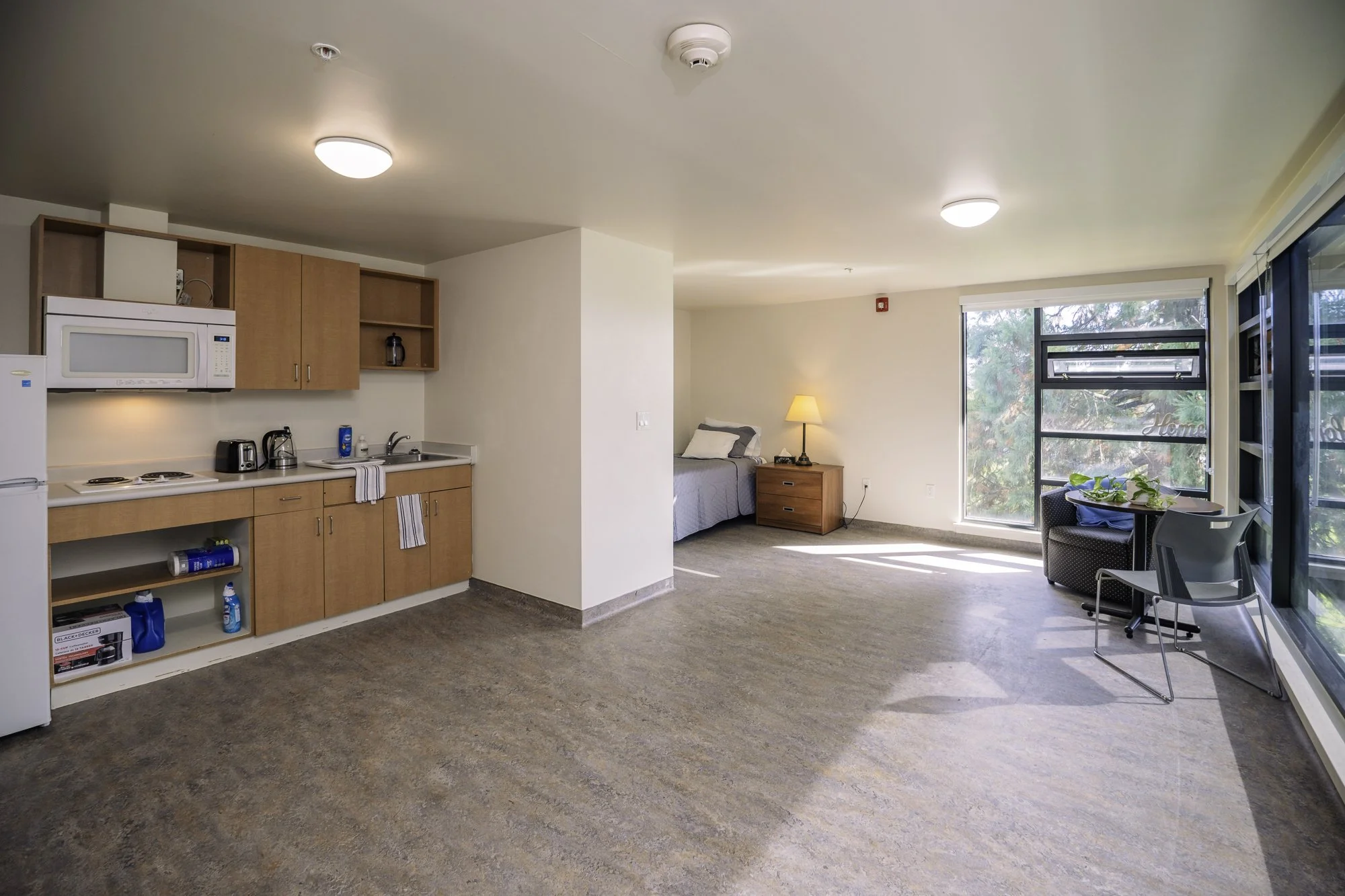
In 2001, the phone call she had been waiting for came. The Kettle Society had a vacancy in its Supported Independent Living (SIL) program in Kerrisdale. Was Rebecca ready to try moving out on her own?
She was.
Twenty-five years later, she's still a part of The Kettle community. And the life she has now would have been unimaginable to the woman who walked into that apartment all those years ago.
The First Step
For people like Rebecca, who has lived experience with a mental health condition, the path forward is often a closed loop.
Without housing, you can't hold a job, and without a job, you can't pay for housing.
"If I don't have housing, then I lose my job because I can't be clean. I can't launder my uniform. Then I'm doing some erroneous activity in order to get money, to have a little bit of food in my mouth. It's a vicious circle.”
The Kettle is here to help break the loop, by offering more than 400 units of supportive housing across Vancouver, ranging from 24-hour supported care to independent living like Rebecca's.
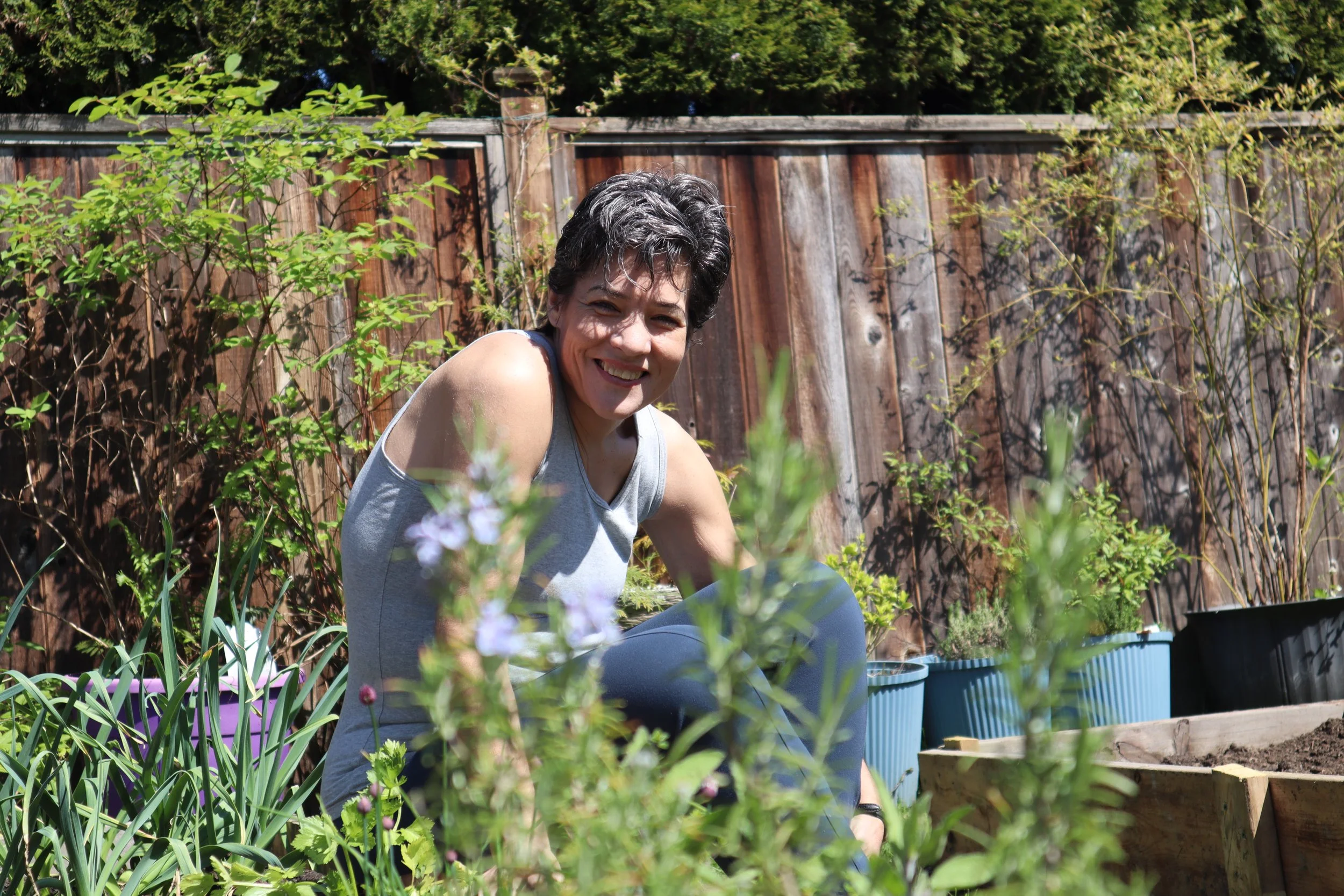
“Housing was the basis for my stability. The first step. I can come home at night and put my head down on a nice, warm bed in my own space where I can actually see my flowers bloom.”
Each of The Kettle’s housing programs is built around the same idea — give a person a safe place to call home, then surround them with the support that helps them stay housed.
That support can mean advocacy when something goes wrong with the ministry, or a SIL worker who shows up monthly, or weekly, or whenever life requires it
"If I didn't have my SIL worker there to back me up and help me through things, I probably would have lost my tenancy a long time ago. I'd be homeless. And I'd probably be six feet under right now."
She doesn't say that lightly. Rebecca and her partner of 19 years have lost friends who lived in housing without the right wraparound care — people who lost their tenancy first, then their lives.
The lesson she draws from those losses is the one The Kettle has been built on for fifty years: housing alone isn't enough. Housing with support is what keeps people alive.
Relationships, Not Just Roofs
Today, Rebecca works part-time at YVR. She has held that job through her first mental health breakdown in 25 years, multiple surgeries (including a near-death emergency), and a recent diagnosis of a probable rare Non-Autoimmune Stiff person spectrum disorder.
“I know if I didn't have stable housing, I would have most likely relapsed severely with my mental health. I was able to rehabilitate myself, knowing I had a roof over my head, knowing that I was able to do a gradual return to work with the Vancouver International Airport Authority. They have been one of the most supportive employers.”
Rebecca recognizes that her recovery is only possible because people care: her inclusive employer and the incredible support network that The Kettle has built around her, especially her SIL worker, who has been a constant through every change —advocating with the ministry, following up with her doctors, and being there as often as Rebecca needs.
Beyond the SIL program, there's The Kettle’s Drop-In she's been part of for over two decades, and the smaller programs that support life on a fixed income, like the Ticket program that helps her afford community outings.
A roof matters, but so do the relationships that help hold Rebecca's life together.
Community by Design
Once people have a place to call home, something else starts to happen at The Kettle: they begin showing up for each other.
Every December, Rebecca runs wreath-making clinics at the Drop-In for other Kettle members. Around the holidays, her own apartment fills with neighbours who don't have family to celebrate with. Through a YVR program that lets employees convert volunteer hours into charitable donations, every hour she logs from hosting goes straight back to The Kettle Society.
The program that gave her a roof is now a program she helps fund.
The Kettle has built more than a system of services. It has intentionally built a community where people who, once they have stable ground beneath them, become a hand up for someone else.
A Different Kind of 911
For fifty years, The Kettle Society has been the place Vancouver calls when the emergency is quieter than the ones Rebecca used to answer — a mental illness chipping away at someone's job, a tenant who has no one to advocate for them.
These aren't ambulance calls, but they're crises all the same. And they ask the same thing of a responder that any emergency does: someone to show up and help save lives.
At The Kettle, that showing up takes the form of meals, clothing, mental health care, employment support, housing, and the community that holds it together.
Over the same fifty years, the number of people experiencing homelessness in Metro Vancouver has grown to 5,200* — and 62% of them report living with a mental health condition**.
There are more people in need of help than ever before. With your support, we can continue to be the ones people call in a crisis.
Please join The Kettle community today.